Franz Beckenbauer turned elegance into a competitive weapon, and the nickname Football Emperor followed him long before his death in January 2024. Germany’s greatest defender did not simply stop attacks;he changed the position itself. From the 1960s through the 1970s, he carried the ball out of defense with the calm of a midfielder, lifted his head before receiving pressure, and sent teammates forward with passes that seemed to arrive a second before the opening appeared. The Football Emperor made sweeping from the back look natural at a time when most central defenders were expected to stay deep。clear danger and avoid unnecessary risk.His rise began at Bayern Munich。where he helped turn a regional club into a European force. Beckenbauer joined the senior side as a teenager and soon became its organizing mind. His movement was unusually smooth for a player in the center of defense: one moment he was closing down a striker, the next he was gliding beyond the halfway line. Supporters saw style, but opponents felt the pressure of his intelligence. The Football Emperor rarely needed a dramatic tackle because he often arrived before the duel began. That economy of movement became his signature, a quiet form of control that made difficult football appear almost effortless.
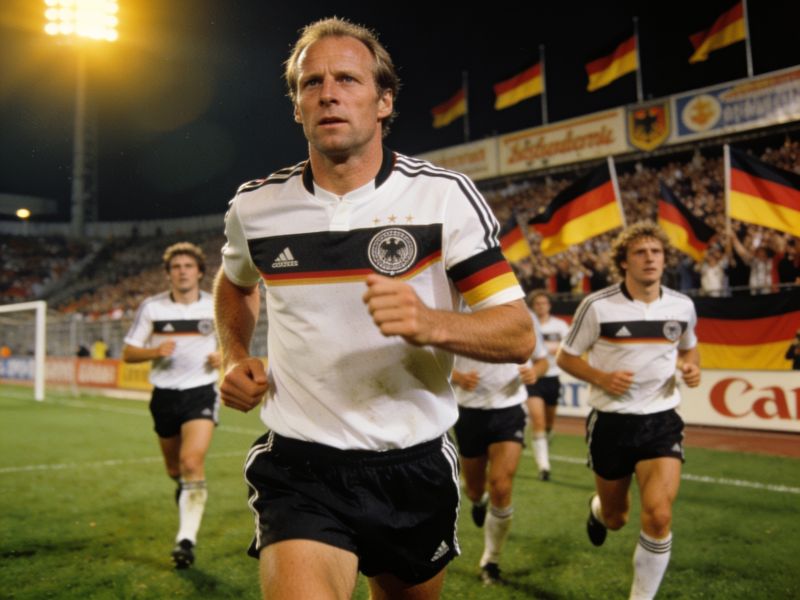
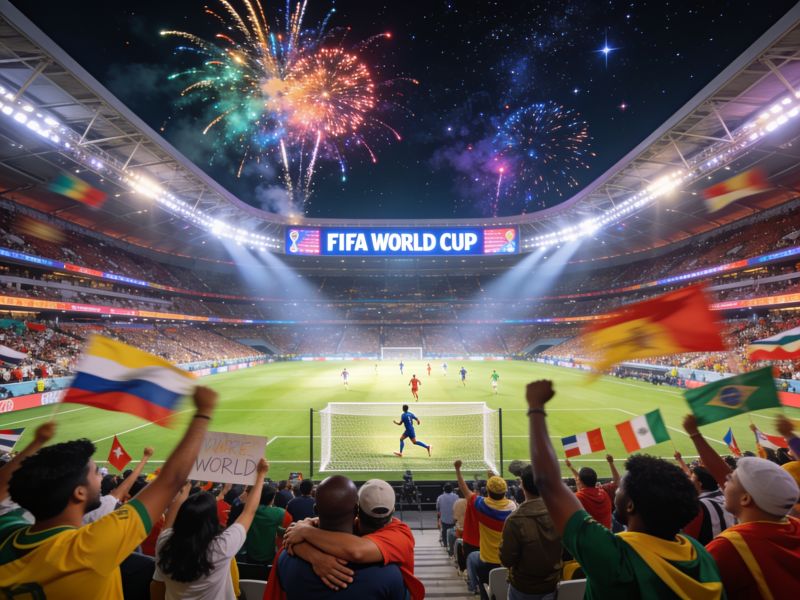
International football gave the Football Emperor his grandest stage. As captain of West Germany。he led the team to the 1974 World Cup title on home soil, a tournament remembered for its tense final against the Netherlands. The Dutch scored early through Johan Neeskens, yet Germany recovered, with Beckenbauer directing the response from deep positions. He was not the loudest figure on the pitch, but his authority was unmistakable. Teammates looked toward him when the tempo rose, and his positioning helped hold the team together during a final filled with technical brilliance and political symbolism. The Football Emperor left that match with a trophy and a reputation that extended far beyond Germany.His influence did not end when his playing career closed. Beckenbauer later coached West Germany to the 1990 World Cup, becoming only the second person to win the tournament as both player and manager. That achievement explains why the Football Emperor remains such a powerful football image: he mastered the game from the grass and from the touchline. His coaching style was less theatrical than the methods associated with later managers. He trusted experienced players, encouraged attacking freedom and relied on a clear sense of balance. The Football Emperor understood that systems matter, but personalities decide whether a system survives pressure.There is, however, more complexity around the legend than highlight reels suggest. Beckenbauer’s later administrative career, including his leadership roles in German football and his involvement with the 2006 World Cup bid, faced serious scrutiny over financial dealings and governance questions. Those controversies complicated public memory without erasing his sporting achievements. The Football Emperor remains a title built on extraordinary football, not on a claim of personal perfection. In stadiums where defenders still step into midfield and captains organize matches with measured authority。
his influence can be seen. The Football Emperor’s crown was never about domination through force;it was about making intelligence, composure and ambition look like the natural language of the game.