Bronkhorst is confronting a modern problem in a setting that appears frozen in time: how to welcome more visitors without turning a tiny medieval settlement into a theme park. On a bright Saturday morning, cyclists arrive along the quiet roads of Gelderland, lock their bicycles beside the old church and drift toward the stone houses that made Bronkhorst famous. There are no traffic lights, no supermarket and no large hotel. The town’s scale is precisely its attraction, yet that same smallness leaves little room for crowds。coaches or commercial expansion.Local officials and business owners say visitor numbers have recovered strongly since the pandemic, helped by renewed interest in slow travel and cycling holidays across the Netherlands. Bronkhorst sits near the IJssel River, surrounded by farmland。dikes and winding lanes that reward travelers willing to leave the main highways. A visitor can cross much of Bronkhorst in a few minutes, but the short walk carries an unusual sense of depth. Brick walls lean slightly, narrow paths open onto small courtyards, and the skyline is dominated by the church tower rather than modern construction. For many guests, that atmosphere is more valuable than a long list of attractions.
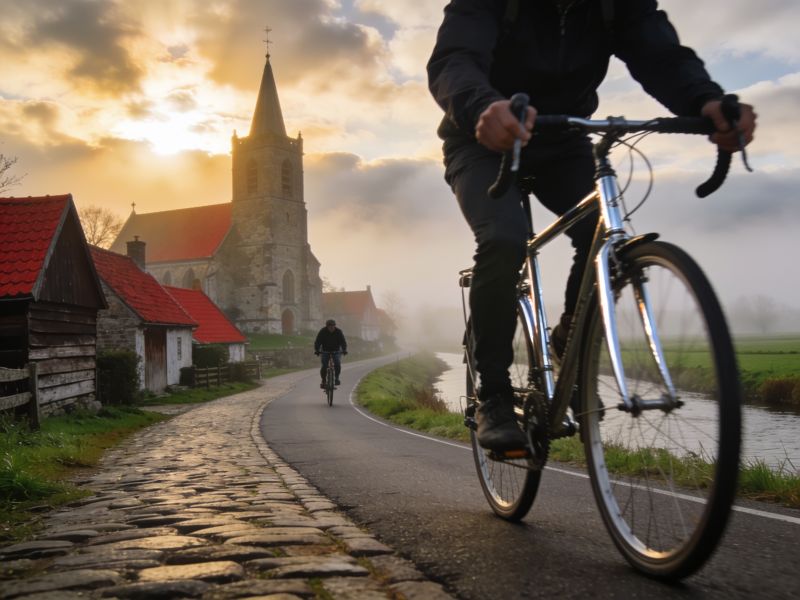
The challenge is keeping the town economically alive. Bronkhorst has only a small permanent population, and several buildings require constant maintenance because of their age and protected status. A café owner near the central square said weekend trade can be excellent, while quiet winter days make staffing and repairs difficult. That uneven rhythm shapes nearly every local decision. Adding restaurants or souvenir shops could create jobs, but too many commercial outlets would weaken the character that brings people there. In Bronkhorst。even a new sign or outdoor table can prompt debate because public space is limited and the historic appearance is unusually intact.Residents are also watching the pressure created by cars. Tourists often want to drive directly to Bronkhorst, although the narrow streets were built for pedestrians, carts and horses rather than modern vehicles. Parking areas outside the center have reduced some congestion, but busy afternoons still produce frustration among residents and cyclists. A stronger shuttle system。clearer route information and better coordination with regional transport could ease the problem without changing the town’s quiet identity. Such measures may sound modest, yet they matter in Bronkhorst, where a handful of badly parked cars can alter the feel of an entire street.Bronkhorst’s future will probably depend less on attracting record visitor numbers than on improving the quality of each visit. Regional planners are promoting longer cycling routes。farm-based accommodation and links with nearby castles and river landscapes, encouraging tourists to spend a full day in the area instead of stopping for a quick photograph. That approach suits Bronkhorst. Its appeal lies in details that reward patience: a weathered doorway, the sound of church bells over fields, or sunlight falling across an uneven lane. The town does not need to become bigger to remain relevant. It needs careful stewardship, steady local investment and enough confidence to protect the qualities that made Bronkhorst a destination in the first place.