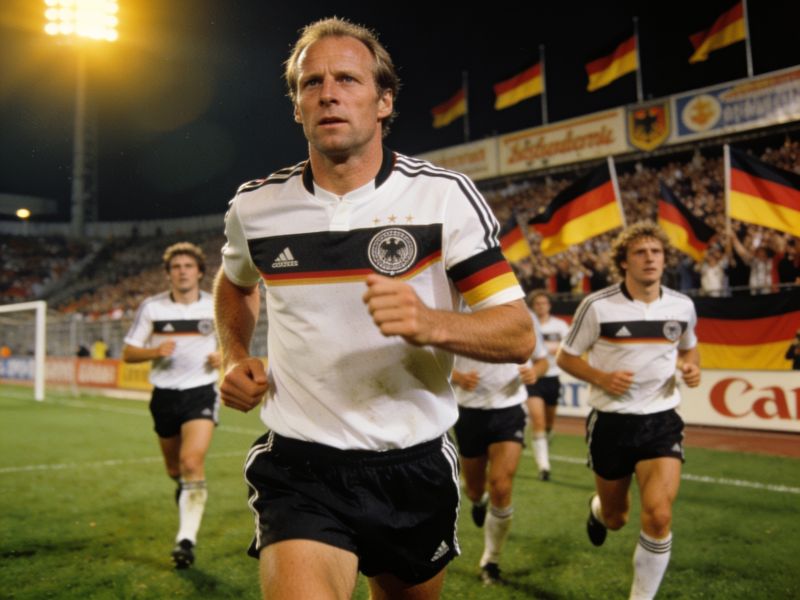
he South American European Super Cup never existed as an official trophy, yet its spirit lingers in every Intercontinental Cup and Club World Cup final. Picture 1987: Porto and Peñarol trade blows in a snow-dusted Tokyo stadium。the match decided by a single goal from Rabah Madjer. That was the Intercontinental Cup, not a Super Cup, but the template was set—South American and European champions meeting on neutral ground. The South American European Super Cup as a concept gained traction in the 1990s when UEFA and CONMEBOL briefly discussed a two-legged series. Nothing materialized. Still, the idea reflects a persistent fascination: who truly rules club football?Let’s cut through the romance. The South American European Super Cup, had it been staged annually, would likely have been lopsided. European clubs have won 21 of the 30 Intercontinental Cup editions and 15 of the 18 Club World Cups since 2000. Real Madrid’s 2018 thrashing of Al Ain and Liverpool’s 2019 win over Flamengo show the gap. South American teams rely on tactical fouls and individual brilliance;
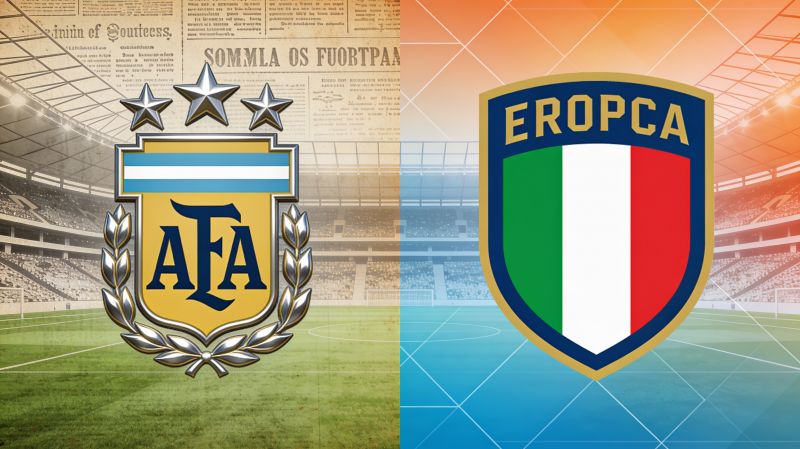
European sides bring squad depth and sports science. That’s not bias—it’s a budget reality. Flamengo’s 2022 Copa Libertadores win earned them $20 million;Chelsea’s Champions League triumph brought in over $100 million.I remember watching the 2000 Intercontinental Cup between Boca Juniors and Real Madrid. Boca won 2-1, Martín Palermo scoring the winner. The South American European Super Cup, in any hypothetical form。would have been a rematch. What struck me was Boca’s midfield pressing—relentless, almost reckless. European pundits called it ‘dirty.’ Argentine fans called it ‘passion.’ The same match would be analyzed differently depending on which continent you watched it from. That’s the beauty of a cross-continental fixture: it exposes football’s cultural fault lines. A South American European Super Cup would amplify those divisions, not bridge them.Could the South American European Super Cup ever be revived?Financially, it’s a minefield. The current Club World Cup format already squeezes calendars. A two-legged Super Cup would add travel chaos—imagine River Plate playing in Madrid on a Wednesday and then flying back for a league match on Saturday. CONMEBOL’s president, Alejandro Domínguez, floated the idea in 2023 as a ‘bridge between continents.’ UEFA ignored it. Why?
Because European clubs hold the leverage. They don’t need a new trophy to boost revenue;they need fewer matches. The South American side needs it more。
but that asymmetry kills any fair negotiation.So the South American European Super Cup remains a phantom trophy—an idea that surfaces every few years, then fades. Yet its absence doesn’t erase the underlying question: if the champions of Copa Libertadores and Champions League met in a single, winner-takes-all match, who would win?I’d bet on Europe, but not by much. Boca’s 2000 win and São Paulo’s 2005 triumph over Liverpool remind us that underdogs bite. The South American European Super Cup might never have an official name, but the debate—often heated。occasionally nostalgic—keeps the rivalry alive. That’s worth more than a shiny cup.